
शुभं भवतु - May good things come your way — always.
Every recipe here has an origin — a specific city, a specific neighbourhood, a specific tradition. We didn't invent these dishes. We learned them, from the places that made them. Every picture on this page tells you exactly where.
📷 Hawa Mahal, Jaipur, Rajasthan, India — Nov 14, 2023
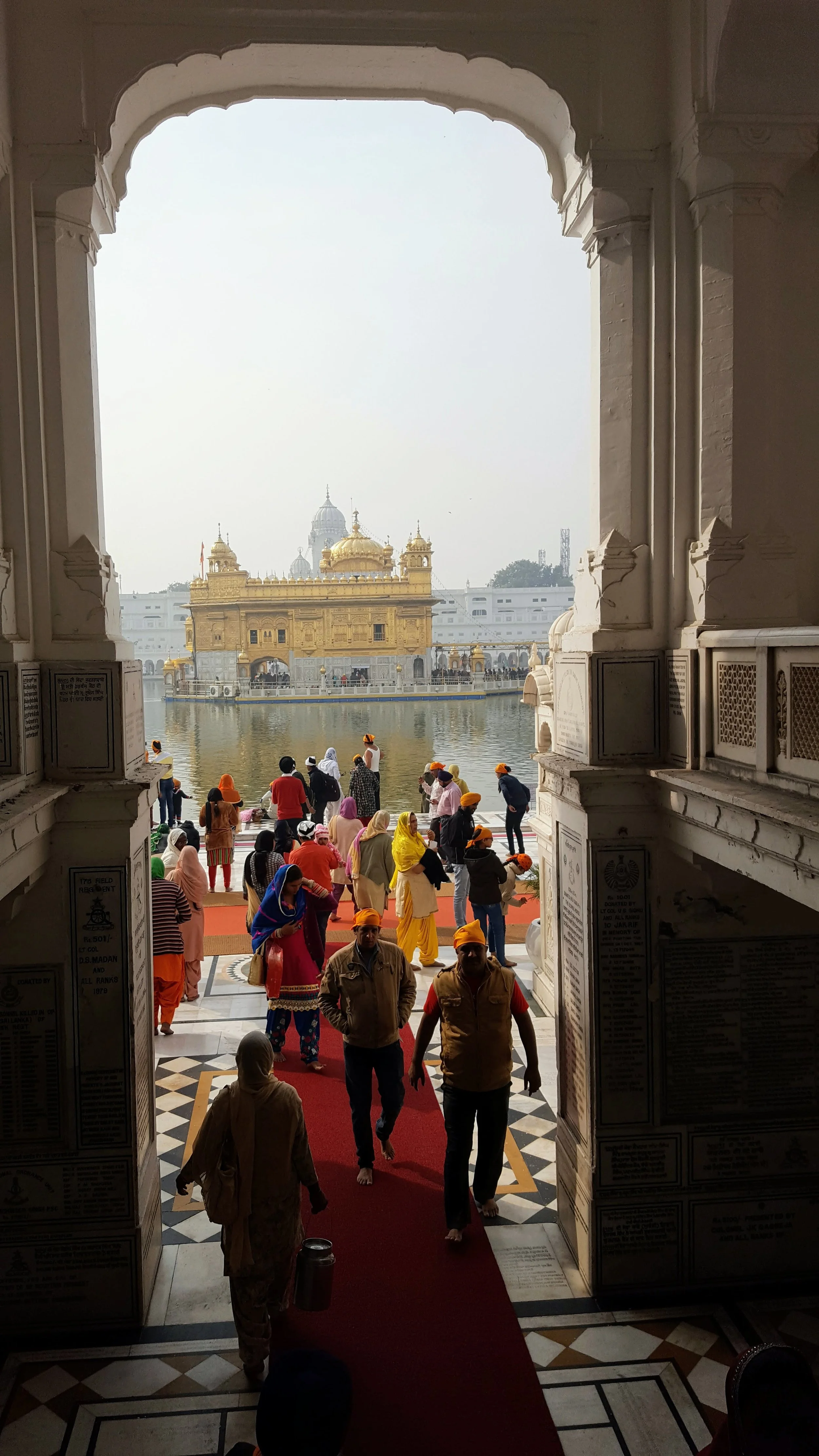
📷 Golden Temple, Amritsar, Punjab, India — Nov 23, 2016
Amritsari Chole
The lanes surrounding the Golden Temple have been selling chole since before anyone can remember. Pilgrims have been eating it at dawn outside those gates for generations — the first meal after prayer, before the city wakes up.
Brewed low and slow until they turn deep and dark.
You taste the patience in every bite.
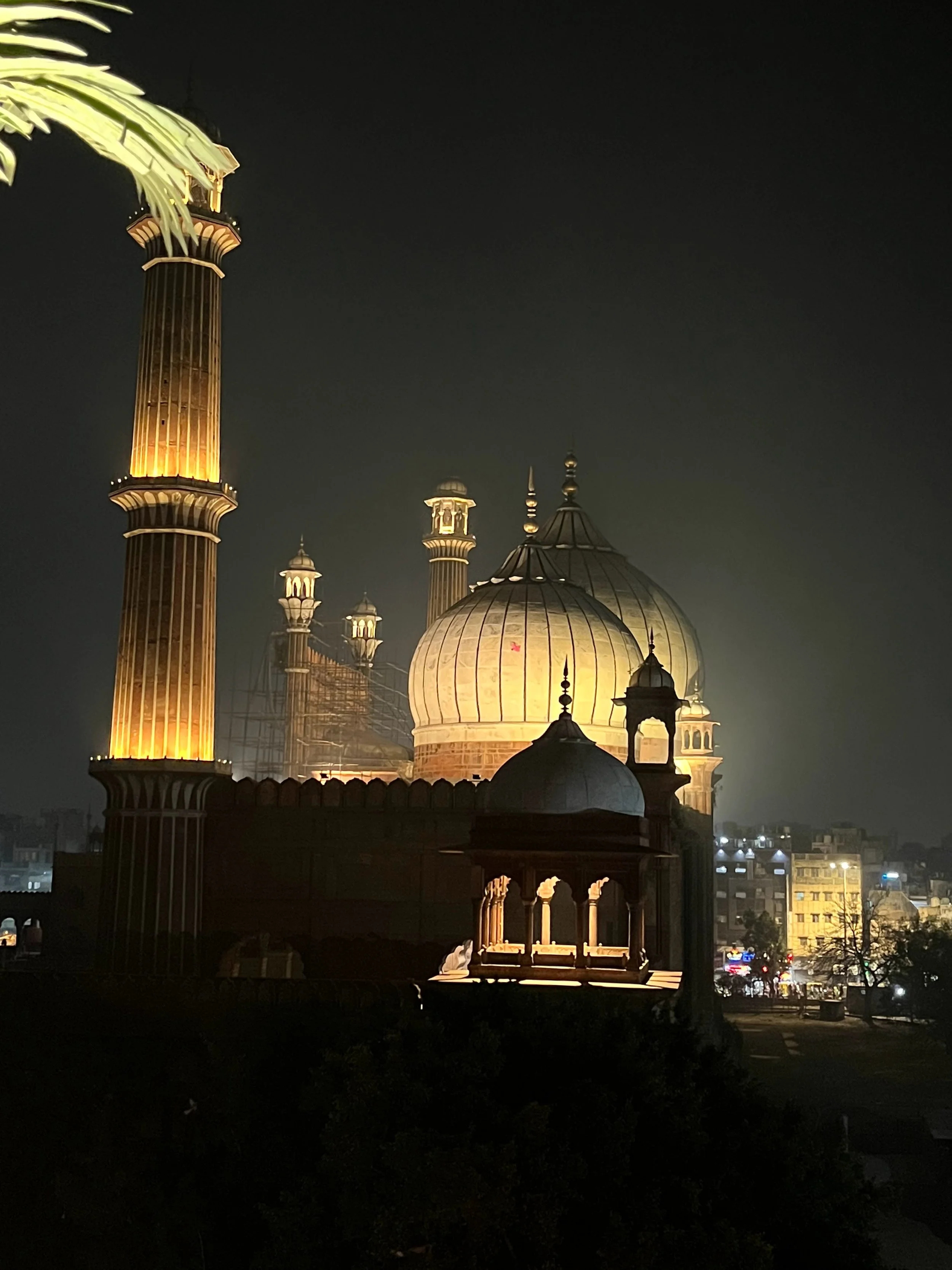
📷 Jama Masjid, Old Delhi, India — Feb 4, 2023
Kali Dal
Shah Jahan built Jama Masjid in 1656. His court kitchens were cooking kali dal at the same time.
Four hundred years of slow cooking — black lentils, overnight heat, real butter. A recipe that hasn't meaningfully changed since the Mughal empire was at its height.
Low heat. Patience. Time.
You taste every hour it spent on the fire.
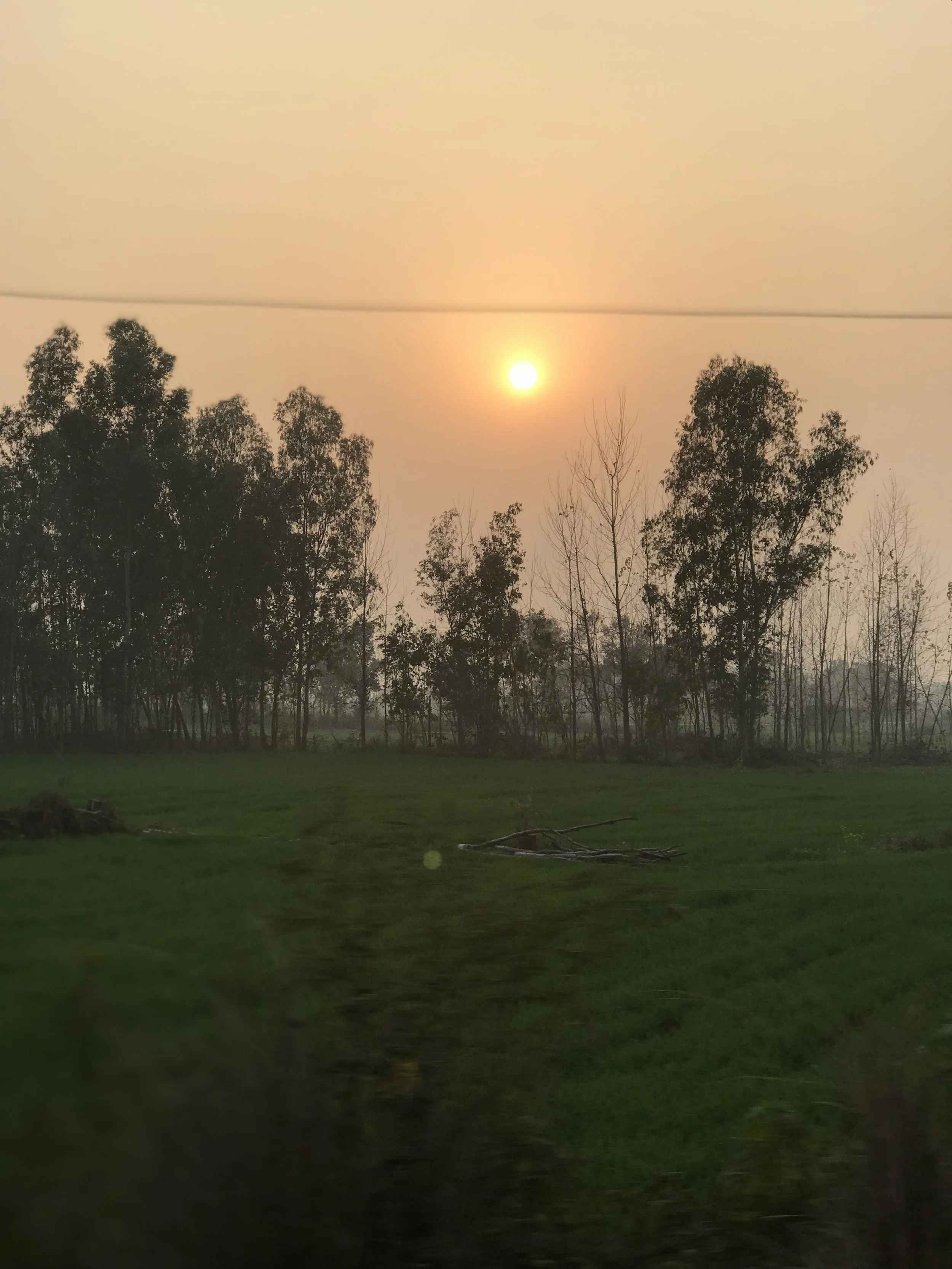
📷 Punjab village fields, India — Dec 30, 2017
Punjabi Rajma
This is the land it comes from.
Rajma is not a dish in Punjab — it's a Sunday. It's a mother's kitchen at noon, the smell coming from three floors down.
Slow-cooked. Robust. The kind of bowl that has fuelled these fields, these families, these generations.
Rich, hearty, completely honest.
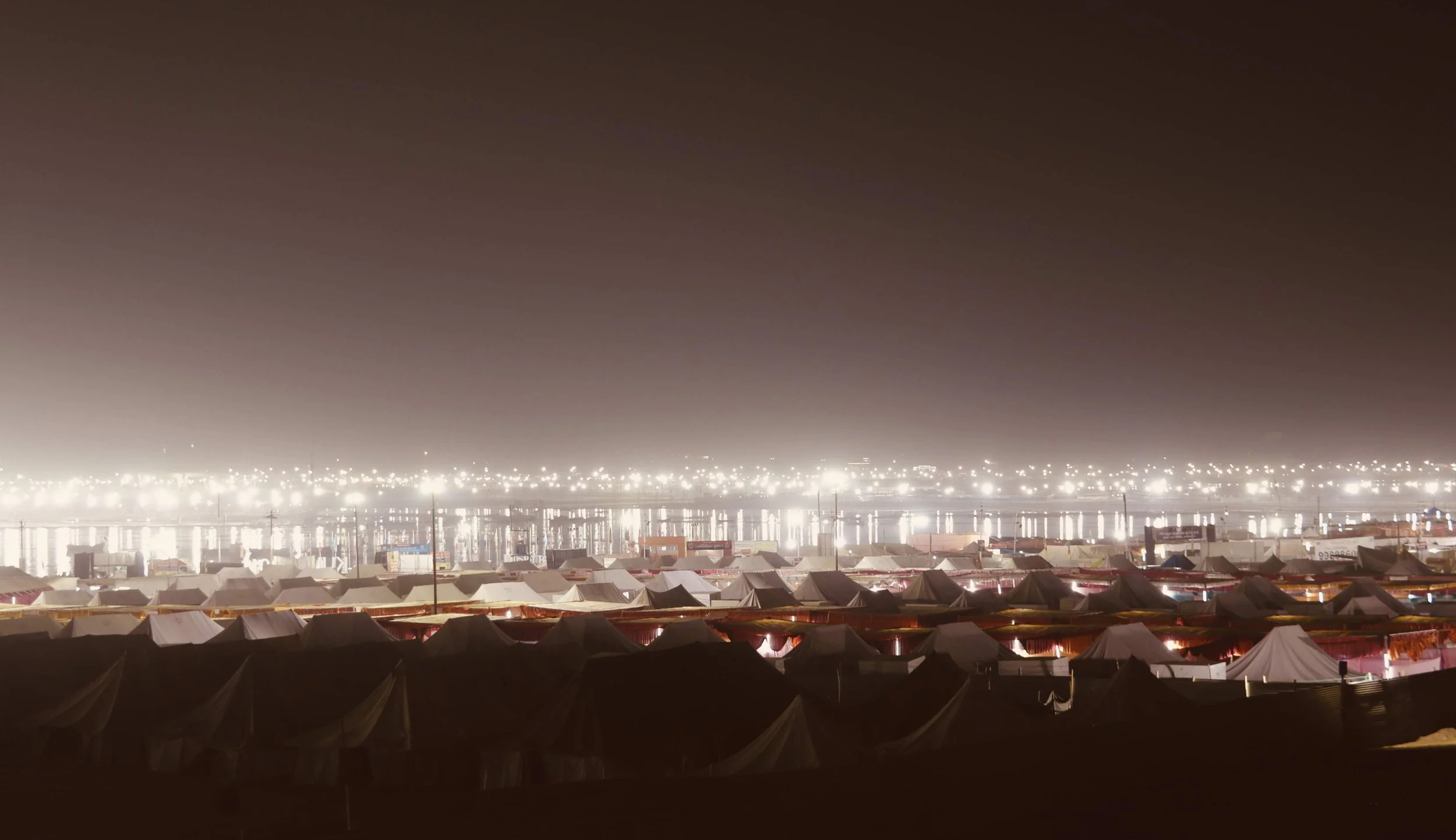
📷 Ardh Kumbh Mela, Prayagraj, Uttar Pradesh, India — Feb 21, 2019
Dahi Vada
The Kumbh Mela is the largest human gathering on earth. Tens of millions of people converging on Prayagraj — and somewhere in every lane, someone is serving dahi vada.
It has always been this way. The chaat lanes of Prayagraj and Varanasi have been feeding pilgrims, travellers and strangers for centuries. Hand-rolled lentil dumplings soaked in cool yoghurt until pillowy — layered with tamarind, mint chutney and a shower of chaat masala. Eaten standing up, from a paper plate, without ceremony.
Food that belongs to everyone. It always has.
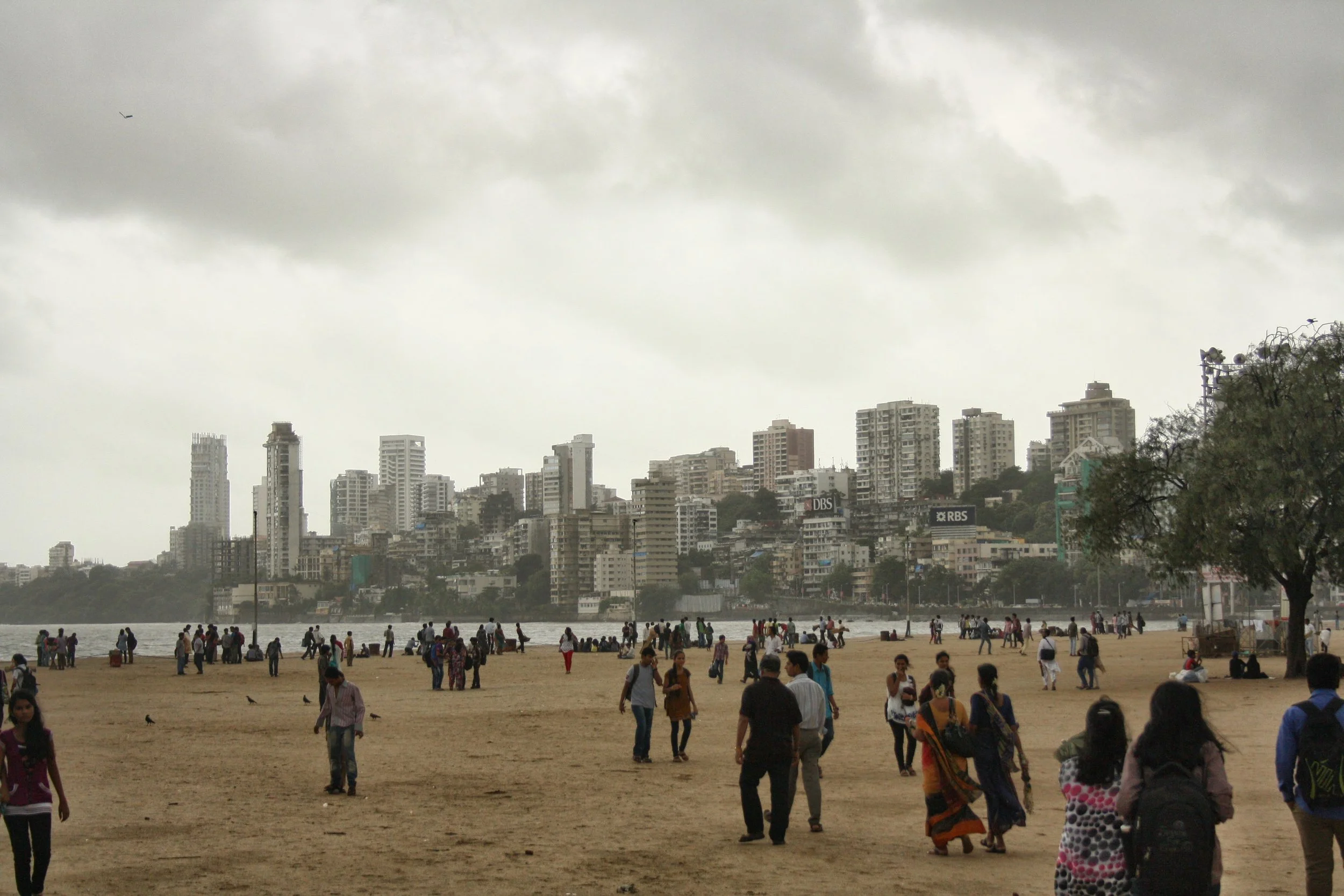
📷 Bombay, India — July 29, 2013
Chilli Paneer Gravy with Schezwan Burnt Chilli Garlic Fried Rice
Bombay has always absorbed the world and made it louder.
When the Hakka Chinese community arrived, their cooking didn't stay Chinese for long — it met Indian spice, Indian heat, Indian hunger and became something entirely new. A cuisine nobody planned. A flavour nobody could resist.
No Chinese kitchen would recognise it. No Indian kitchen can do without it.
Crispy paneer in a fiery, tangy sauce alongside smoky wok-tossed basmati charred with burnt garlic and Schezwan chilli — two dishes that only make sense together.
Bombay made this. India claimed it. The galli made it ours.
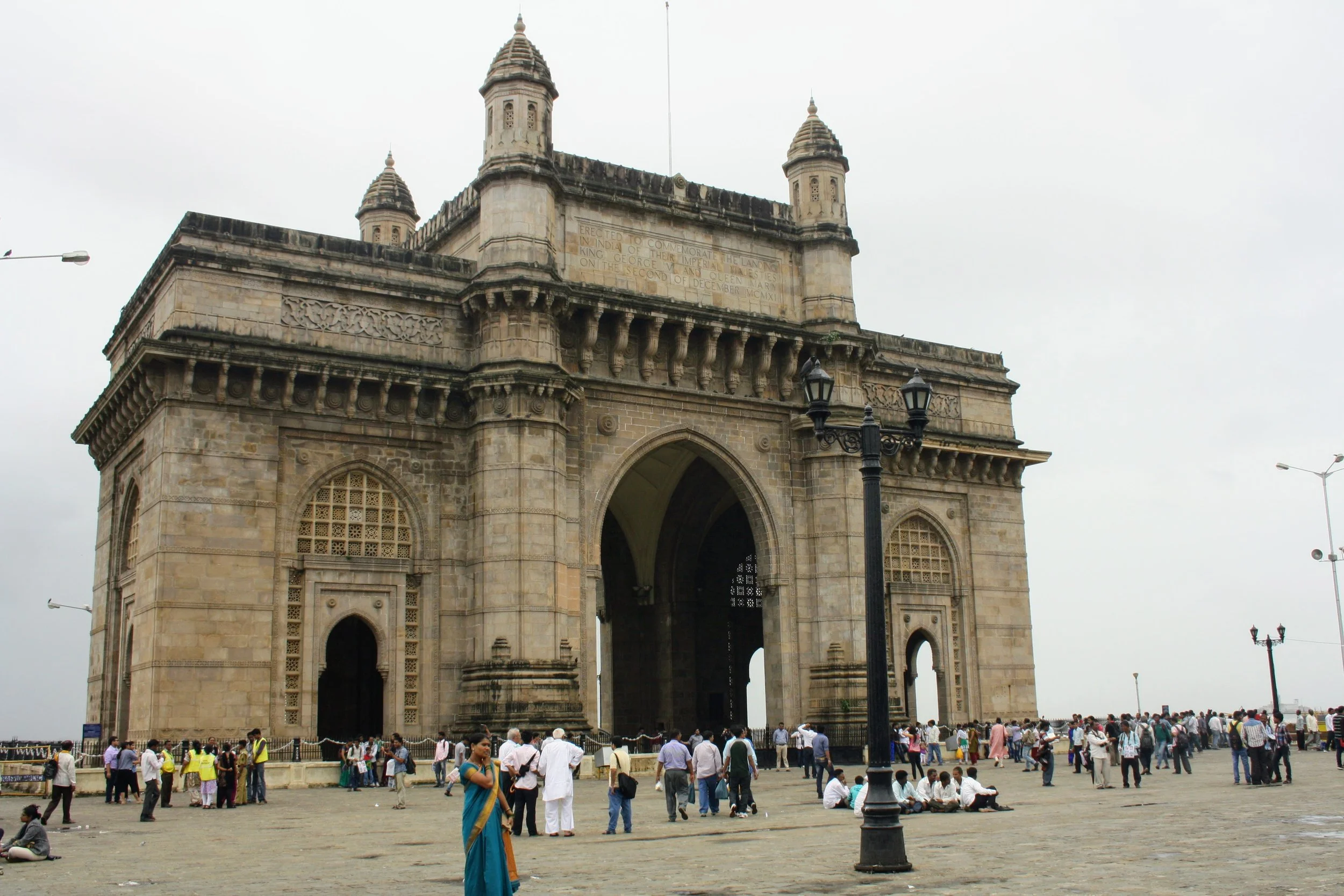
📷 Gateway of India, Bombay, India — July 31, 2013
Bombay Pav Bhaji
Invented in the 1850s to feed Bombay's cotton mill workers — whatever vegetables were left, mashed on a flat tawa with butter and spice. Nobody planned for it to become a city's identity. It just did.
The Gateway of India has watched this city change for over a century. The pav bhaji hasn't.
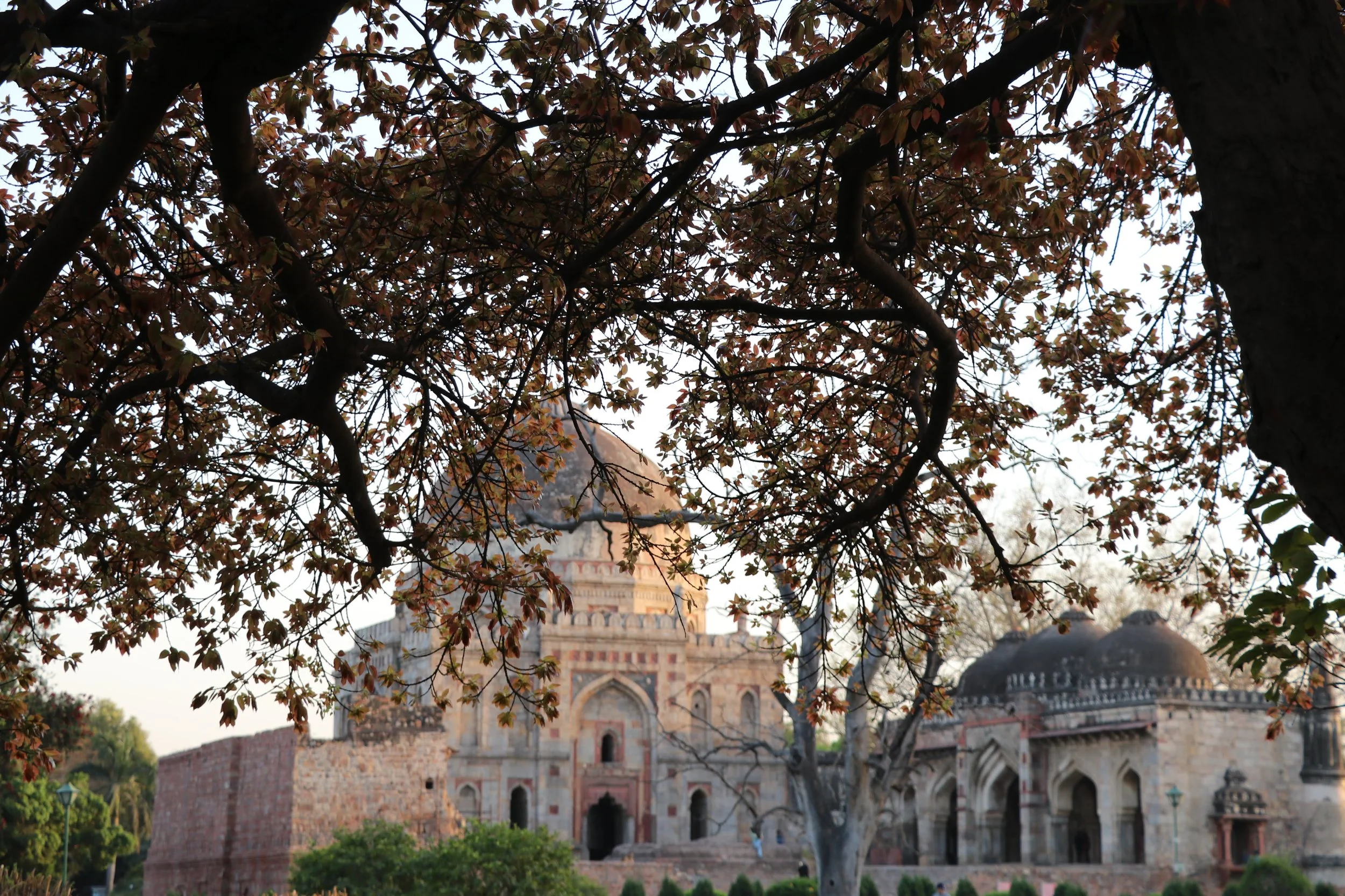
📷 Lodhi Garden, Delhi, India — April 1, 2019
Shahi Paneer
The tombs in Lodhi Garden were built for the same rulers whose kitchens created this dish.
Shahi means royal. The cashews, the cream, the whole spices — these were markers of power in the Mughal court, ingredients only the privileged could afford. The dish was designed to feel like abundance.
It still does.
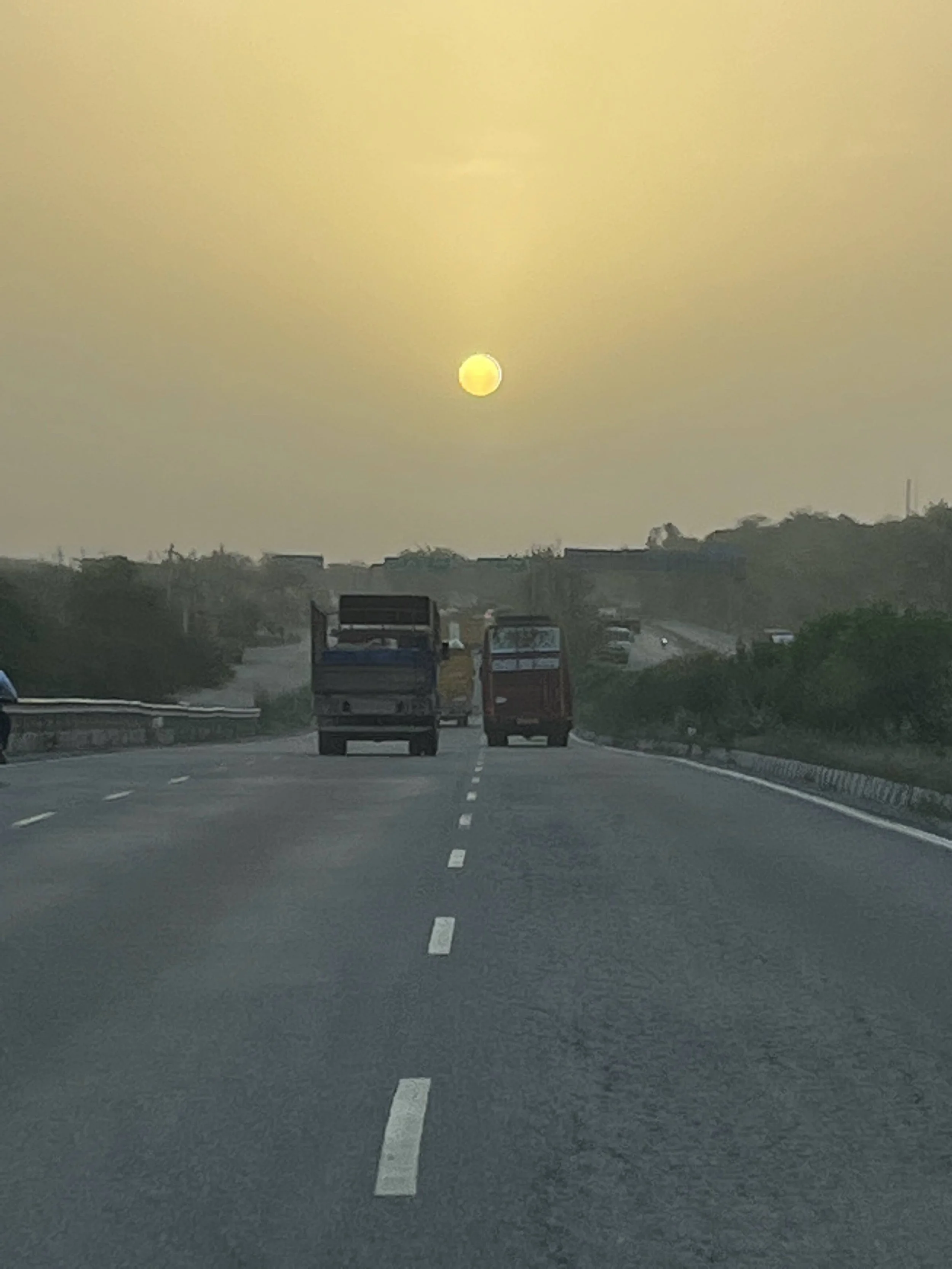
Punjab, India — Nov 23, 2016
Dum Aloo
Every dhaba on every Punjab highway has a version of this. Truckers have been pulling off the road for decades — engine still warm, eating from a karahi at dawn.
Dum means steam. Baby potatoes deep-fried until golden, then sealed and slow-cooked in a bold Punjabi masala until the outside yields and the inside melts completely.
A technique that requires patience. The highway can wait.
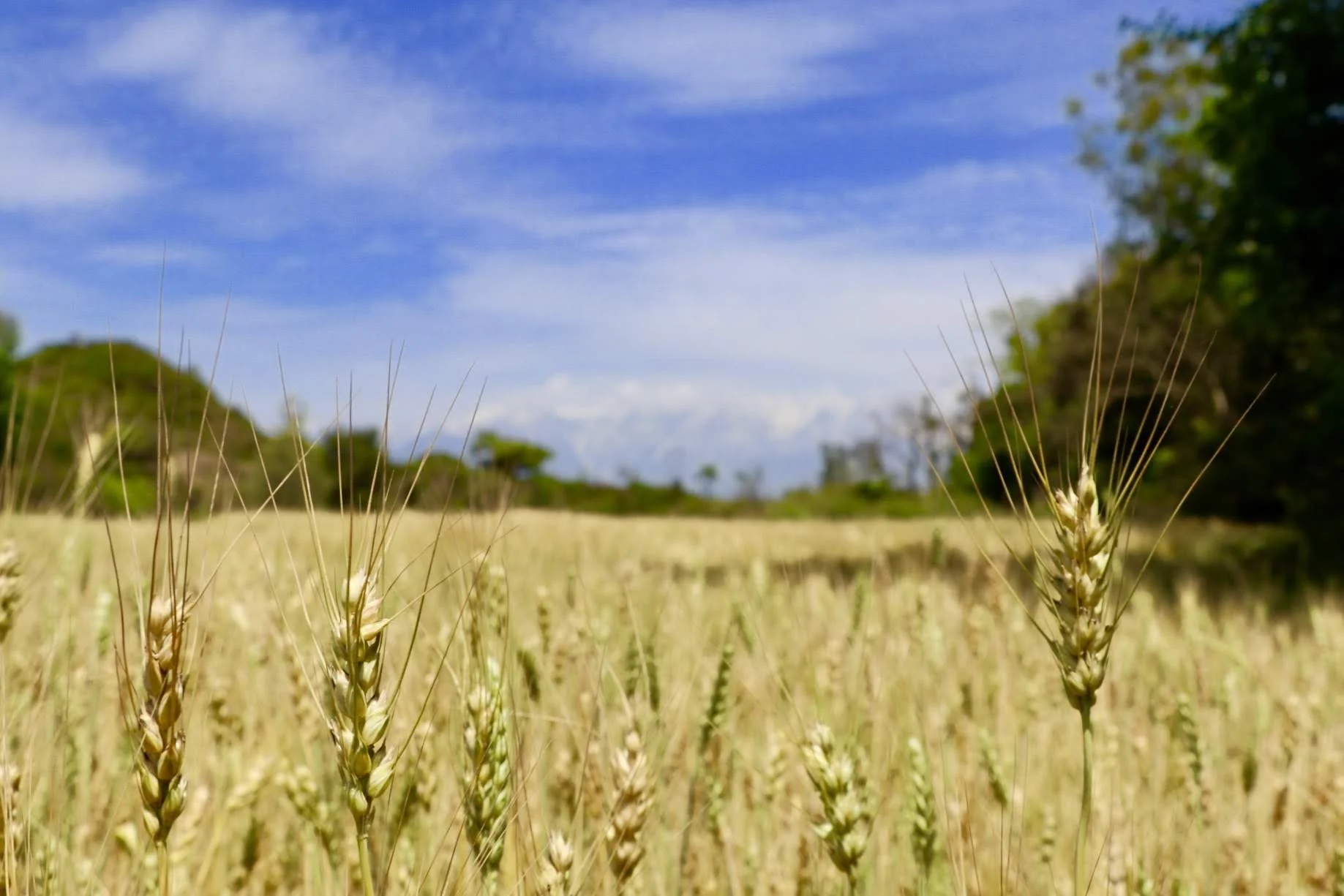
📷 Wheat fields, Himachal Pradesh — April 15, 2019
House Lachha Paratha
This is what it starts with. The wheat field before the kitchen. The grain before the dough.
Before the hands roll it, before the tawa chars it, before it arrives flaky and layered at your table — it begins here, in fields like these.
The paratha needs no introduction in North India. It is simply what you eat — at breakfast before work, at lunch in the dhaba, at dinner at home. Not a side. Not an accompaniment. The meal itself.
Flaky, layered, rolled fresh and cooked to order on our iron tawa.
+ Garlic Lachha Paratha
The same bread, kissed with roasted garlic. One addition. Completely different personality.
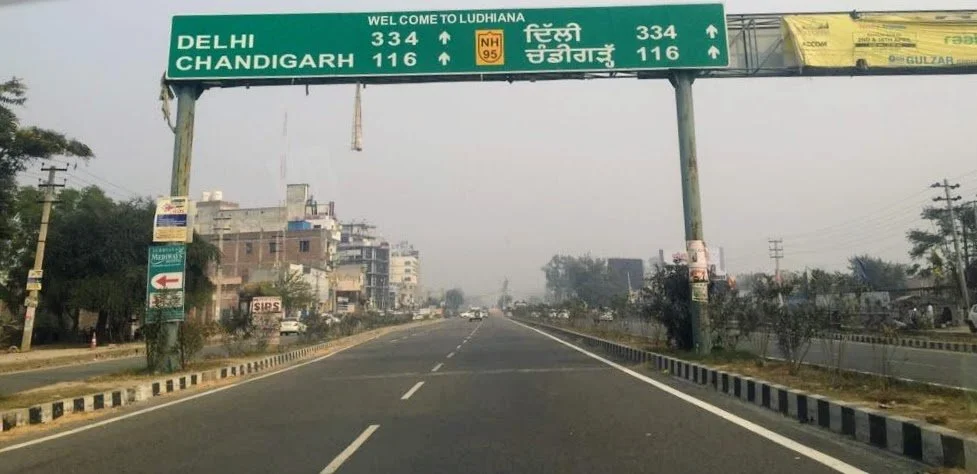
📷 Punjab Highway, India — Dec 31, 2017
Paneer Lababdar
This is the road it comes from. The highway dhabas of Punjab, where travellers stopped between cities and kept ordering the same dish twice before they'd finished the first serving.
Lababdar means greedy. The name tells you everything before you've tasted it.
Paneer slow-cooked in a deeply roasted tomato and onion gravy — the roasting is everything. Low heat, patience, until the tomatoes and onions become something richer and darker than either started as.
Some dishes arrive at the table. This one ambushes you.